Social Fitness App with AI Form Feedback
We shipped their social fitness app with real-time AI form feedback.
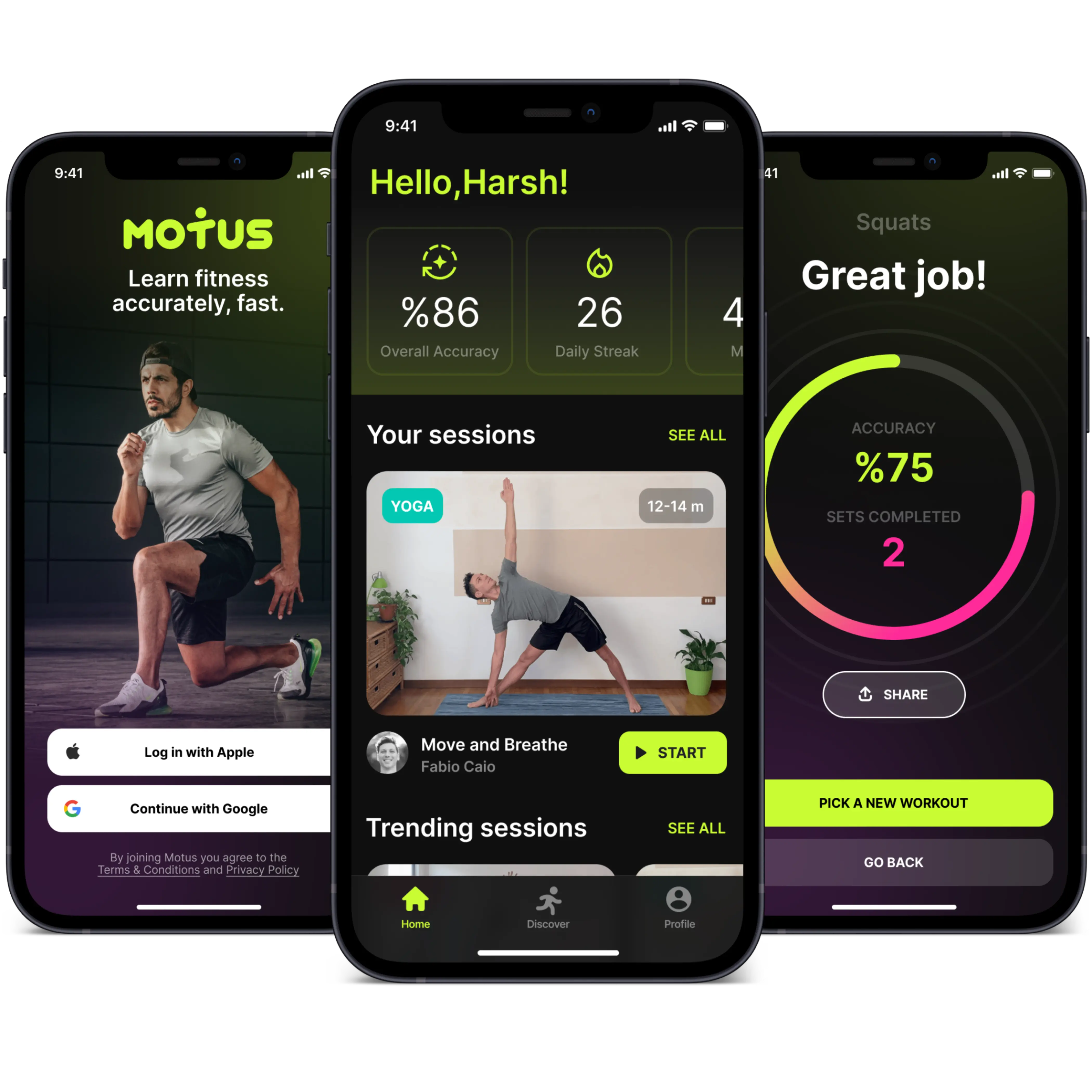
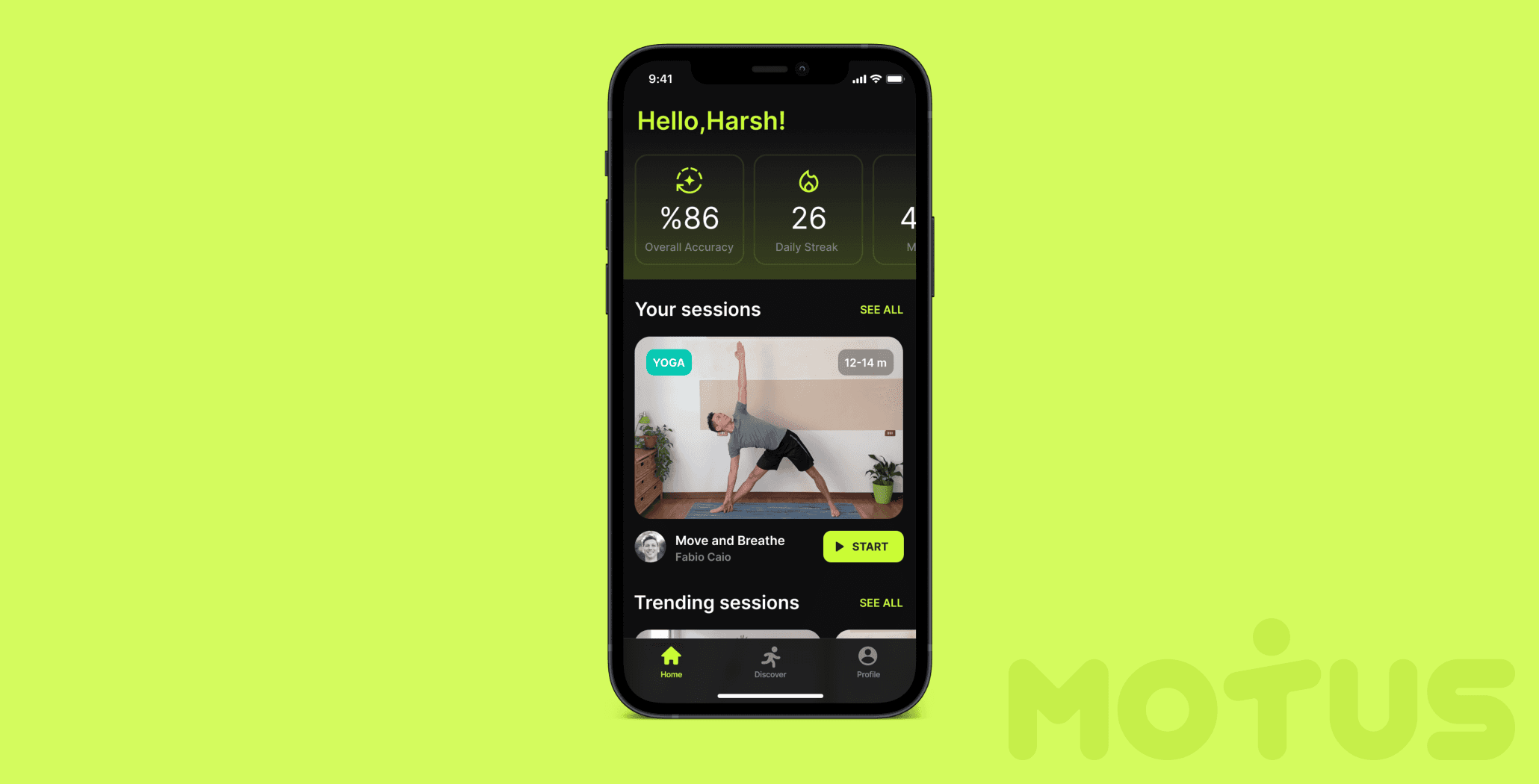
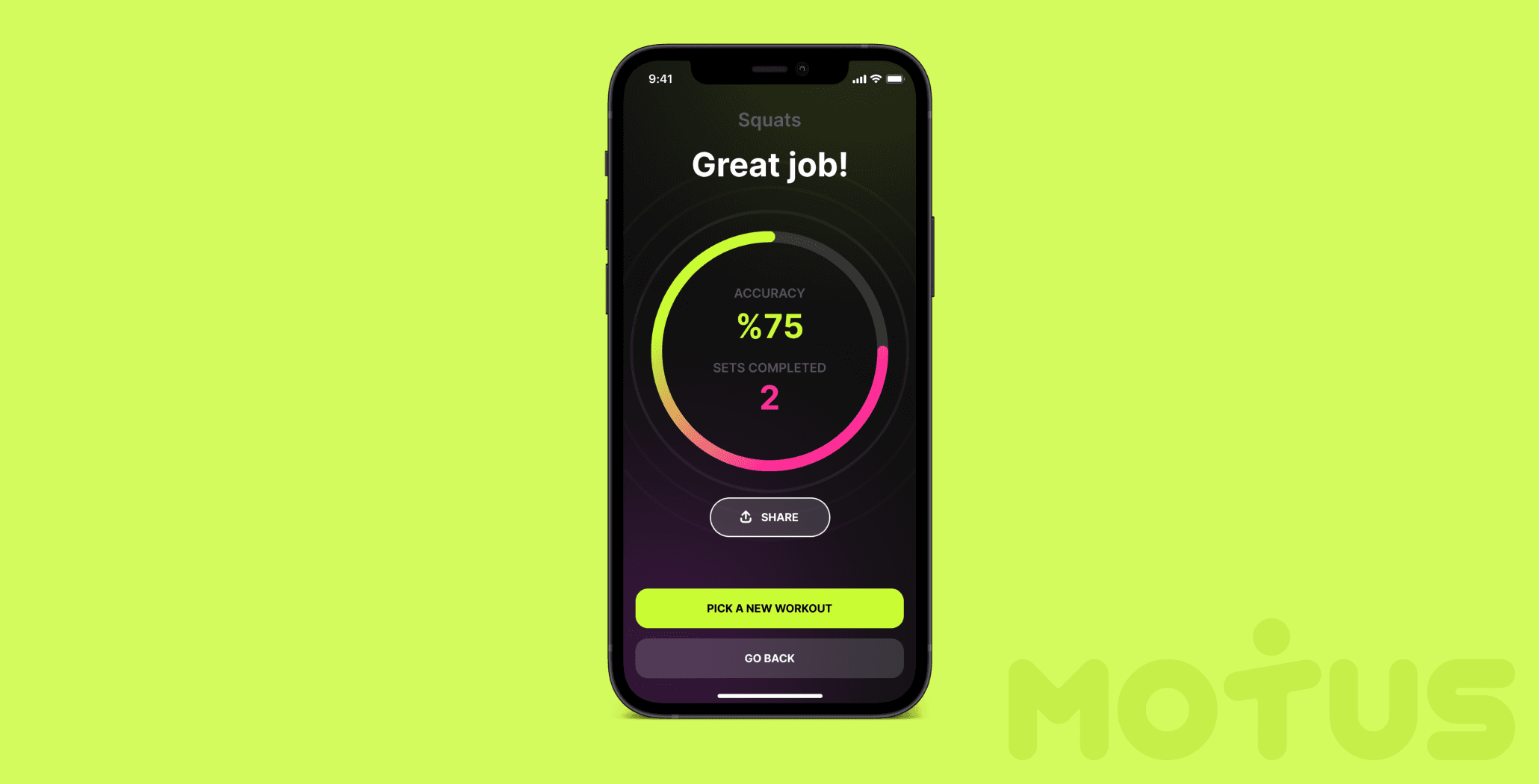
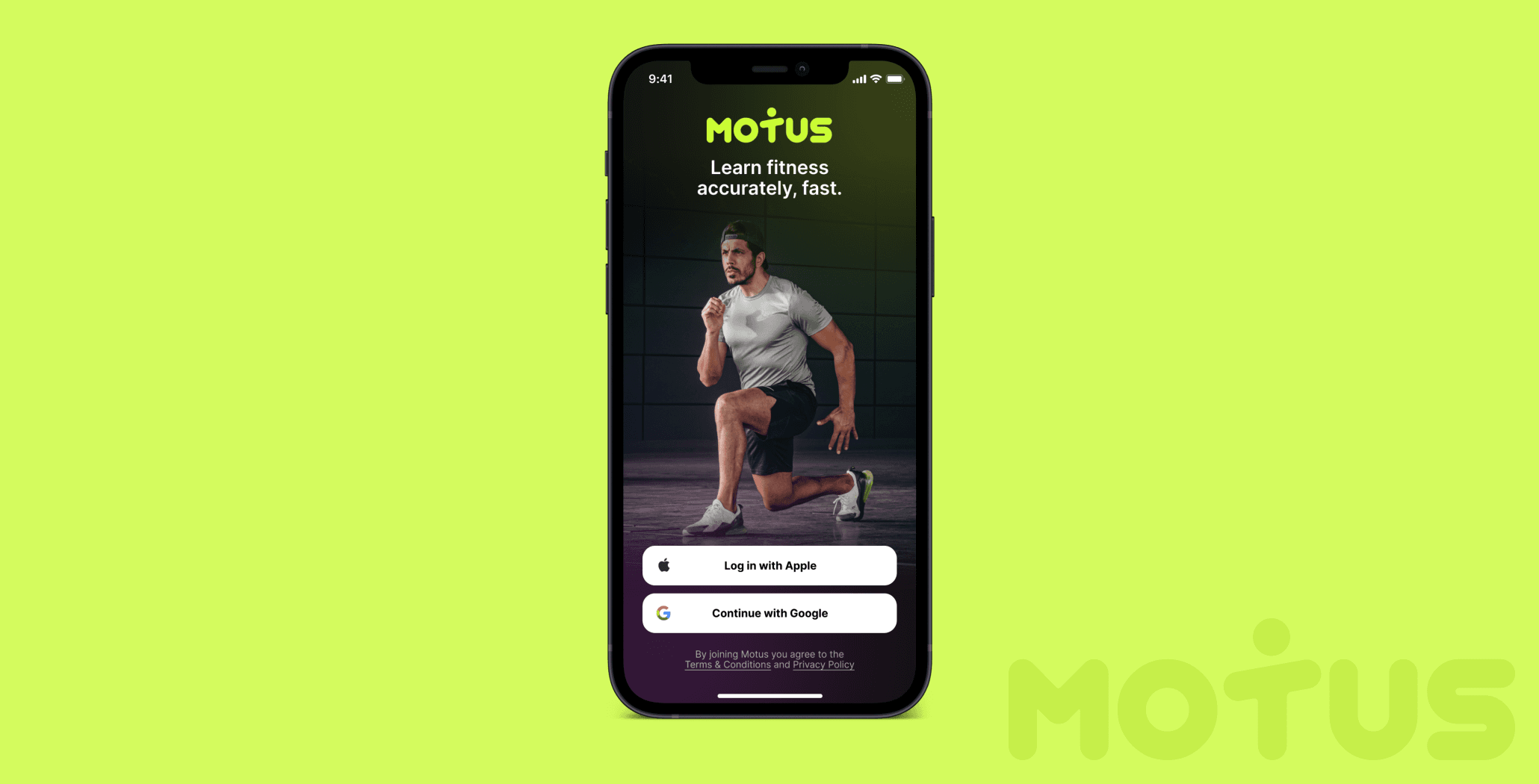
Motus is a social fitness app built for the US and Indian markets. The core feature is unlike anything in standard fitness apps: as users work out, the app watches their form in real time using the device camera, counts reps only when the movement is performed correctly, and gives feedback when form breaks down. A squat with bad knee alignment does not count. A push-up that does not reach full depth does not count. The rep counter becomes a form coach.
The Challenge
Building a fitness app is common. Building one with on-device AI form analysis, social features, subscription management, and a content system for coaches is a different problem entirely.
Motus needed a single team that could own all of it: the mobile app, the machine learning pipeline, the subscription flow, the CMS for workout content, and the QA process for App Store and Google Play release. Splitting this across multiple vendors would have made the product impossible to ship as a coherent experience.
What We Built
We built the full Motus app in React Native, covering iOS and Android from a single codebase.
The AI form feedback system runs entirely on-device using TensorFlow Lite. The device camera captures the user's movement in real time, and the TensorFlow model analyzes body pose frame by frame. When the movement meets the correct form criteria for that exercise, the rep counts. When it does not, the app gives corrective feedback: a cue about knee position, hip alignment, or range of motion depending on the exercise. No cloud inference, no latency, no privacy concern about sending video to a server. The model runs locally on the device.
This is technically demanding. On-device ML inference during active video capture is CPU and GPU intensive. We optimized the inference pipeline to run without degrading the camera frame rate or causing thermal throttling during longer workout sessions.
The social layer lets users follow each other, share workouts, and compete on leaderboards. The workout feed and activity tracking give the app a network effect beyond individual sessions.
Subscription handling was built with direct payment flows for iOS and Android, integrated with the app's content unlock system. Users on free tier see limited workouts; subscribers get full access.
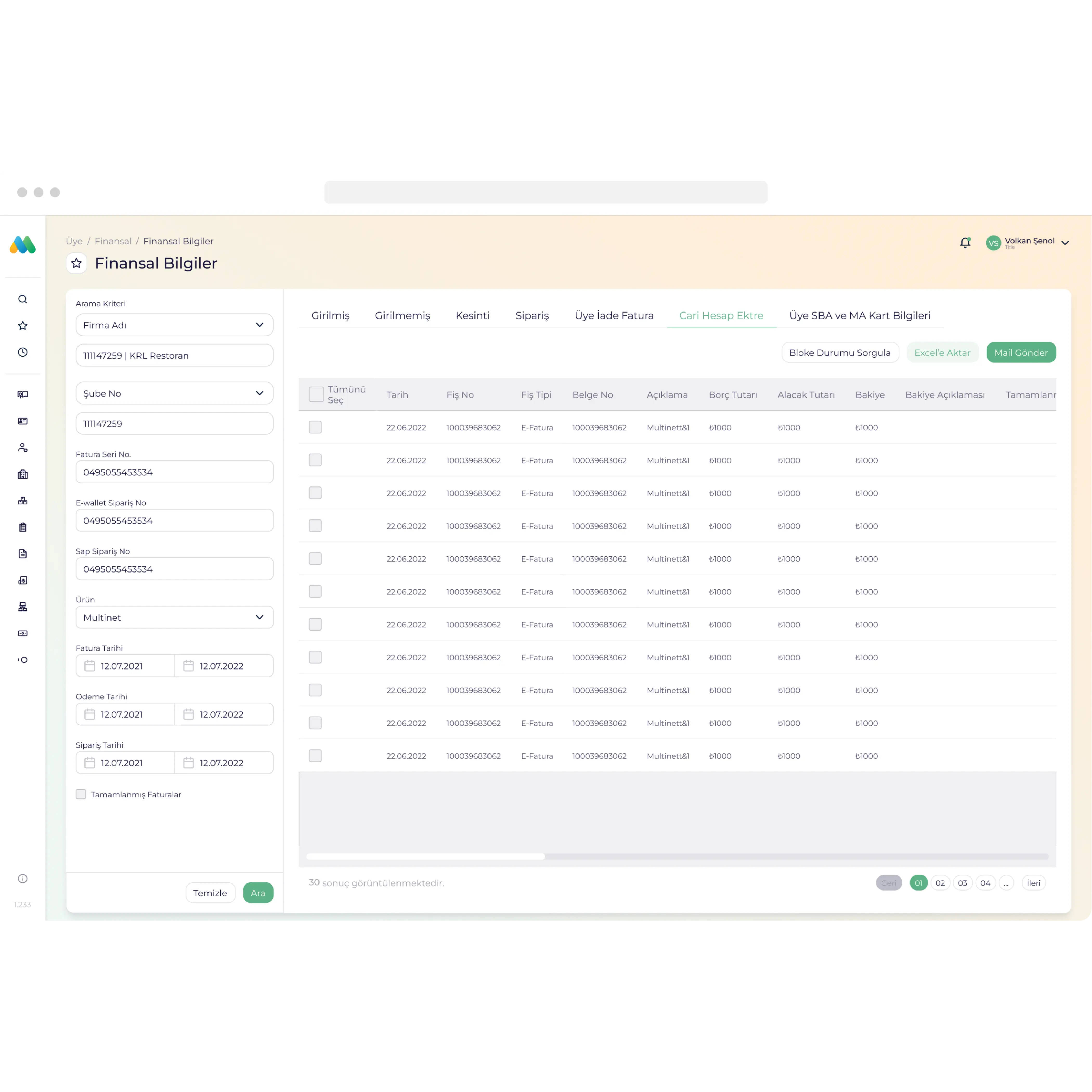
We set up a Strapi CMS for the Motus content team to manage exercises, programs, and coaching cues without touching the codebase. New exercises can be added, form criteria updated, and programs restructured entirely from the content dashboard.
The app went through full QA on iOS and Android before release, including form model accuracy testing across different body types, lighting conditions, and camera angles.
The Outcome
Motus shipped ahead of schedule and is live on the App Store, targeting fitness users in the US and India.
The on-device TensorFlow form analysis is the product's core differentiator. Most AI fitness apps send video to a server for analysis. Motus runs inference locally, which means zero latency feedback during the movement, no data leaving the device, and full functionality without an internet connection.