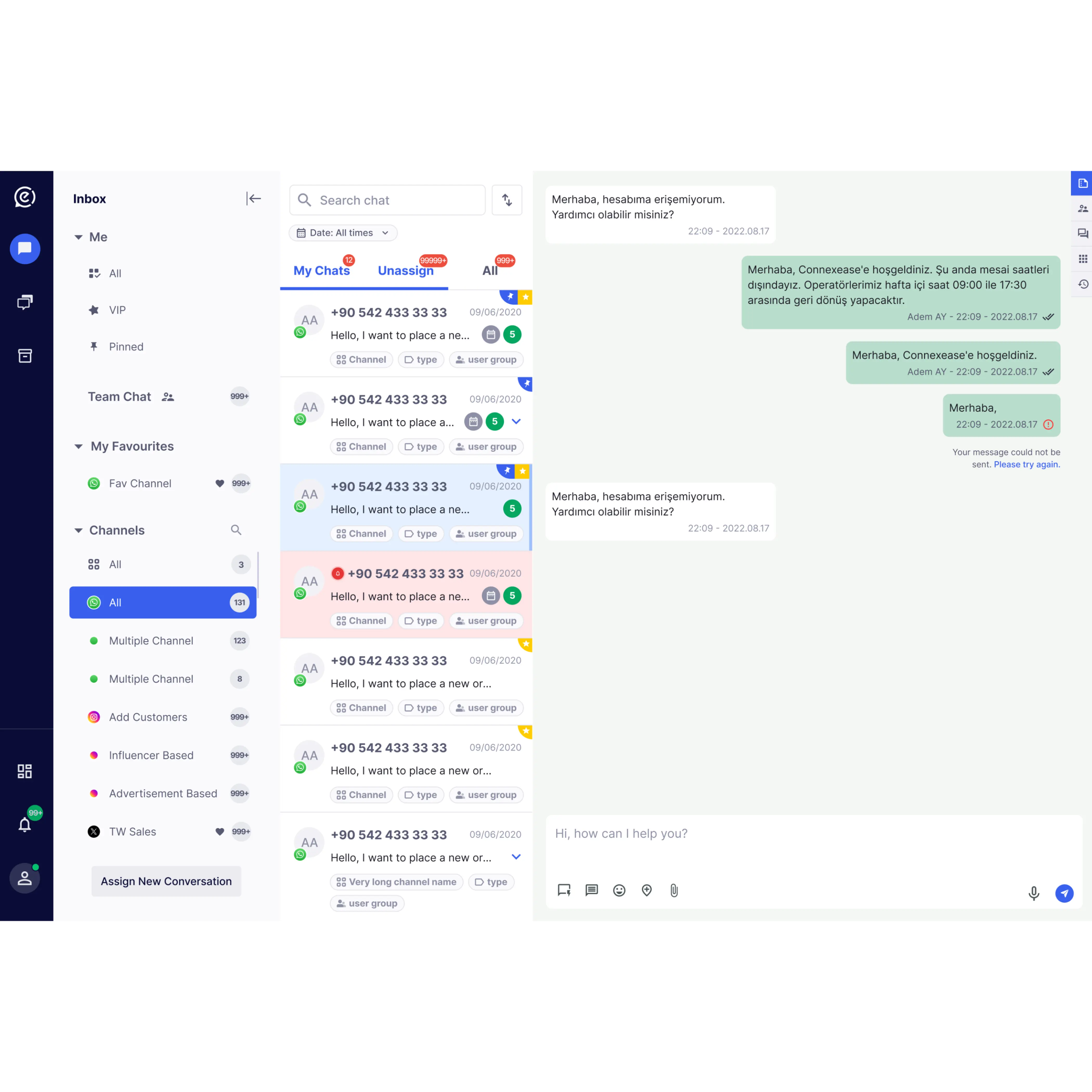
Payment Platform for Turkey's Largest POS Provider
We shipped a B2C dashboard for Turkey's largest physical POS provider.

Industry
Fintech
Services
Web Development Product Development
Ödeal is the largest physical POS provider in Turkey, processing payments for thousands of merchants across the country. When they came to us, their merchant-facing dashboard had become a liability. Not for the merchants using it, but for the team maintaining it and the product growing on top of it.
The Problem
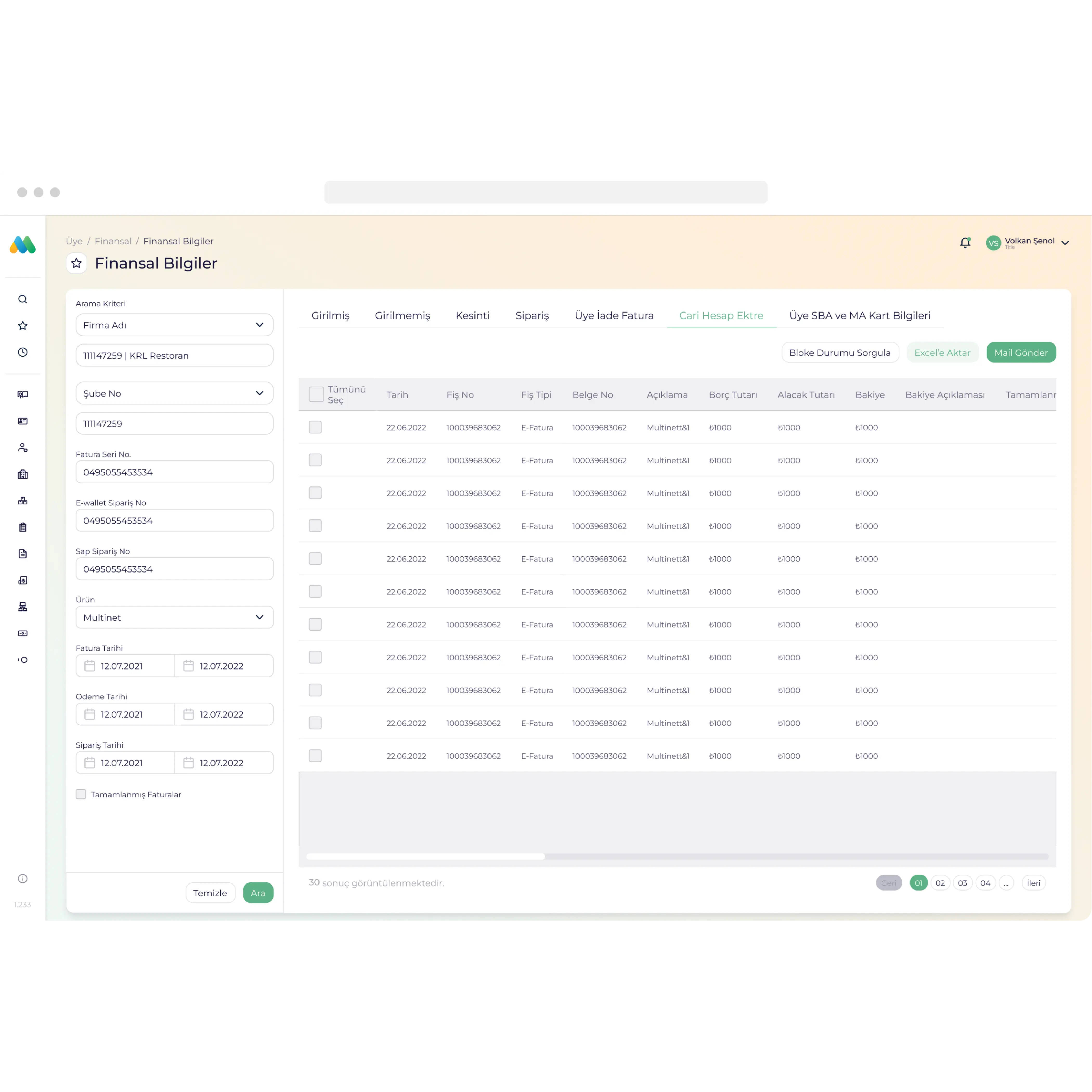
The existing dashboard was built to work, not to scale. Merchants could log in and see their transactions, but that was roughly where the functionality ended. Around 70% of the features Ödeal's product roadmap required did not exist yet. The ones that did were hard to find and harder to extend.
Adding a new module meant touching parts of the codebase that had nothing to do with it. The architecture had no clear separation between domains. Testing was difficult. Every new feature increased the risk of breaking something else.
For a payment platform processing high transaction volumes, this was not sustainable.

What We Built
We redesigned and rebuilt the merchant dashboard from the ground up on Next.js with TypeScript and Tailwind CSS.
The most important architectural decision was structuring the frontend as a micro frontend. Each domain (transactions, settlements, disputes, account management, reporting) became an independent deployable unit. Ödeal's engineering team could now ship a new feature in one domain without touching anything else. Different parts of the dashboard could be owned by different teams, deployed independently, and tested in isolation.
Role-based access control was built in from the start. The dashboard serves merchants with very different profiles: a single-terminal bakery has different needs and different access rights than a multi-location retail chain. RBAC meant the right users saw the right data without any custom configuration per account.
Security was a first-class requirement. The dashboard handles sensitive financial data including transaction history, settlement amounts, and dispute records. We implemented audit logging for all sensitive actions and session management designed for financial-grade environments.
Next.js was chosen for server-side rendering. Merchants frequently access the dashboard from mobile devices and slower connections, particularly outside major cities. Fast initial page load was not a nice-to-have.
The design system gave Ödeal's product team a clean foundation to build on. New features could be added without design debt accumulating. Components were documented, consistent, and reusable.
The Outcome
The new dashboard launched with full feature parity on core workflows and immediately shipped the 70% of capabilities that had been missing entirely from the previous system.
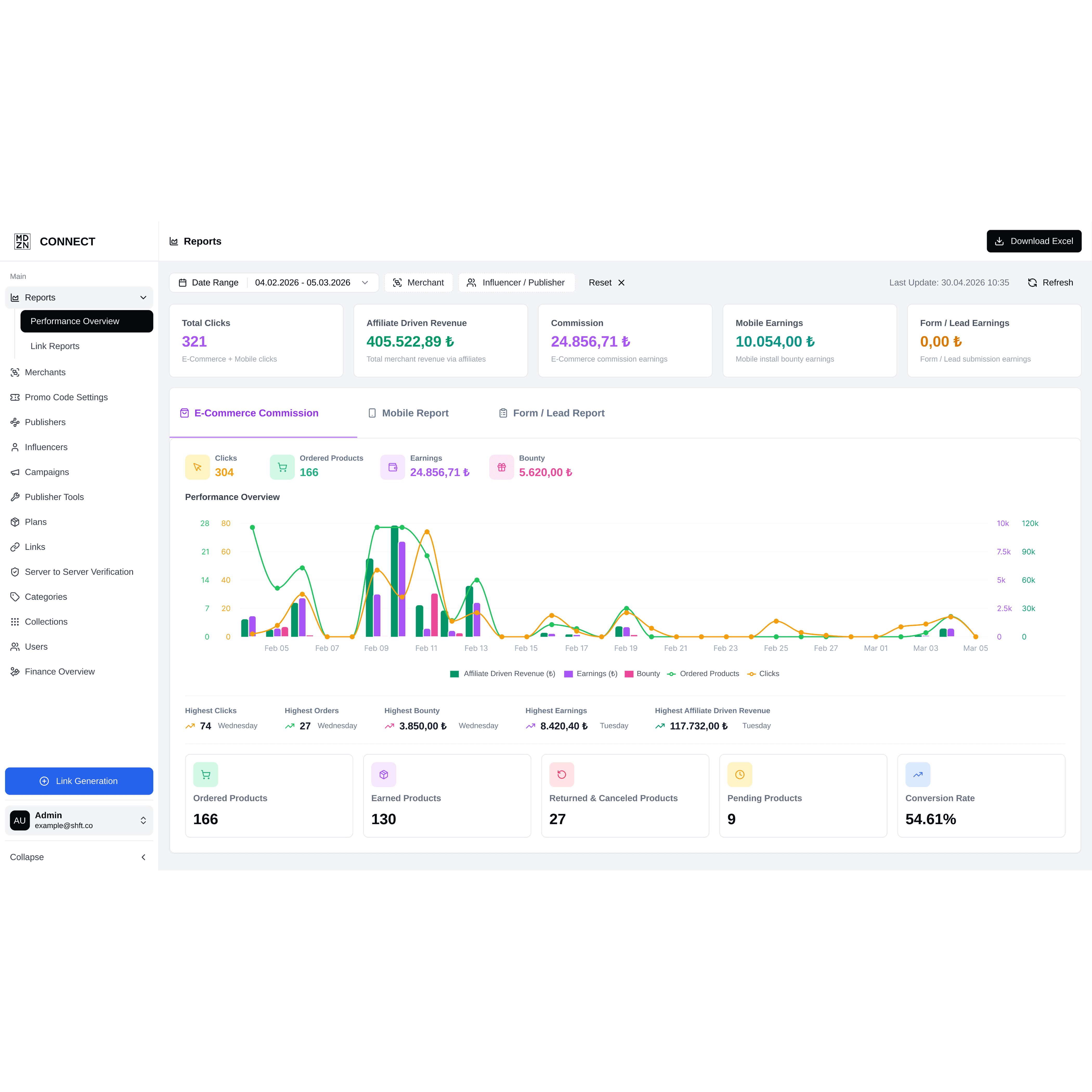
Merchants could now handle their own reporting, settlement reconciliation, and account management without contacting support. Ödeal's engineering team could ship new features to specific merchant segments without touching the rest of the codebase.
The micro frontend architecture meant the platform could grow. New modules, new merchant types, new product lines could be added without the original decisions becoming constraints.
We continue to work with Ödeal's team on new modules and improvements.