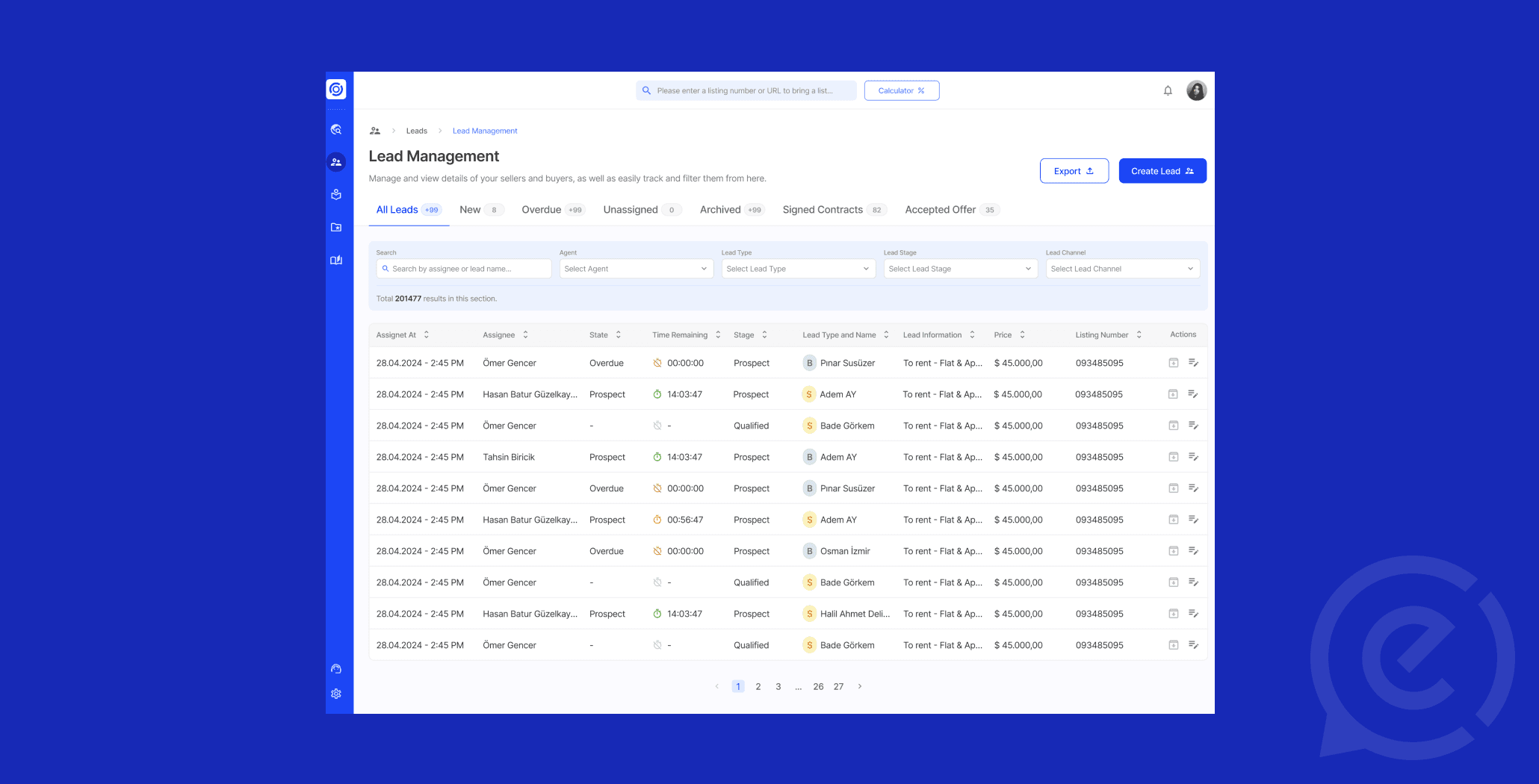
Sales Management Platform for Real Estate Agencies
We delivered 95% of planned sprints as their frontend partner.
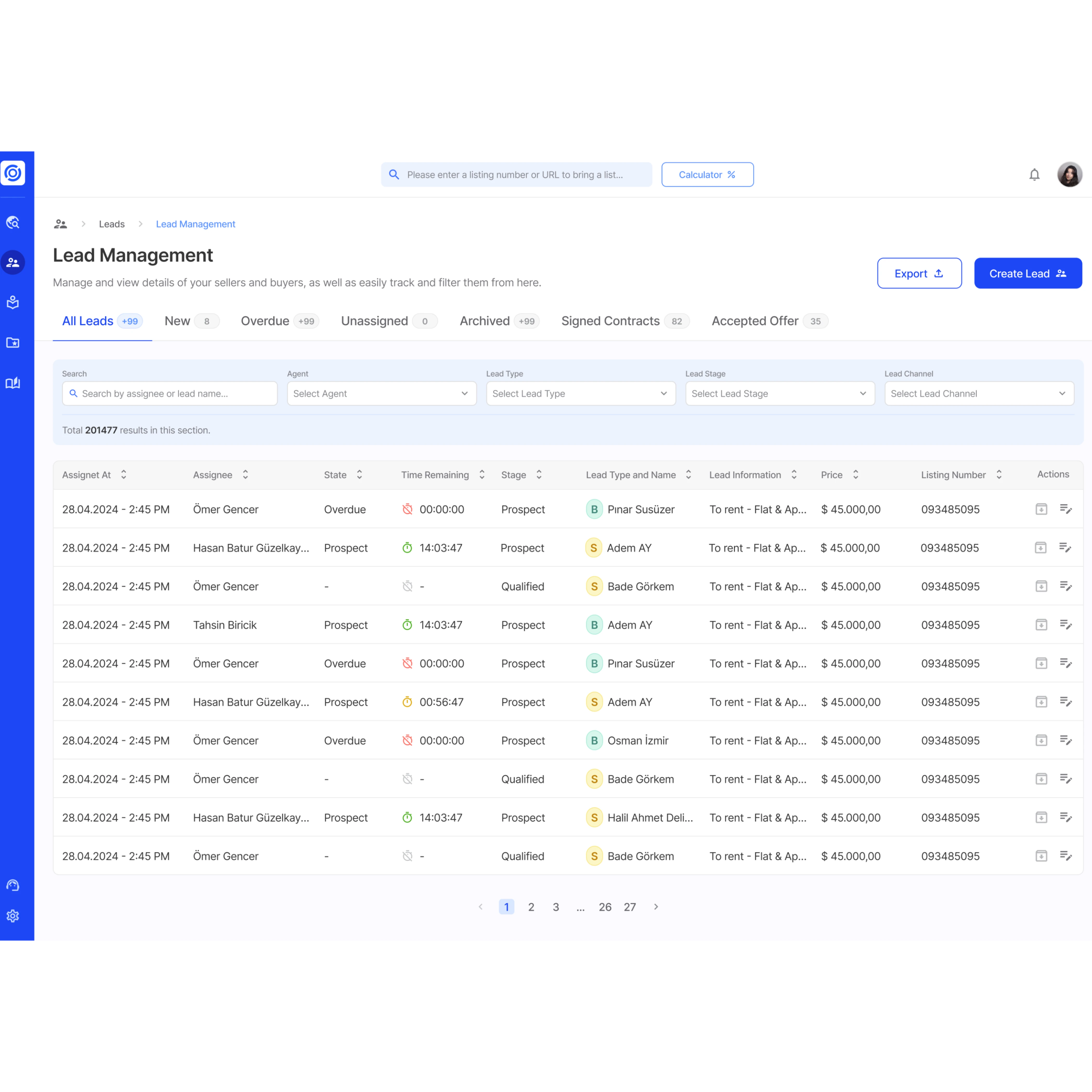
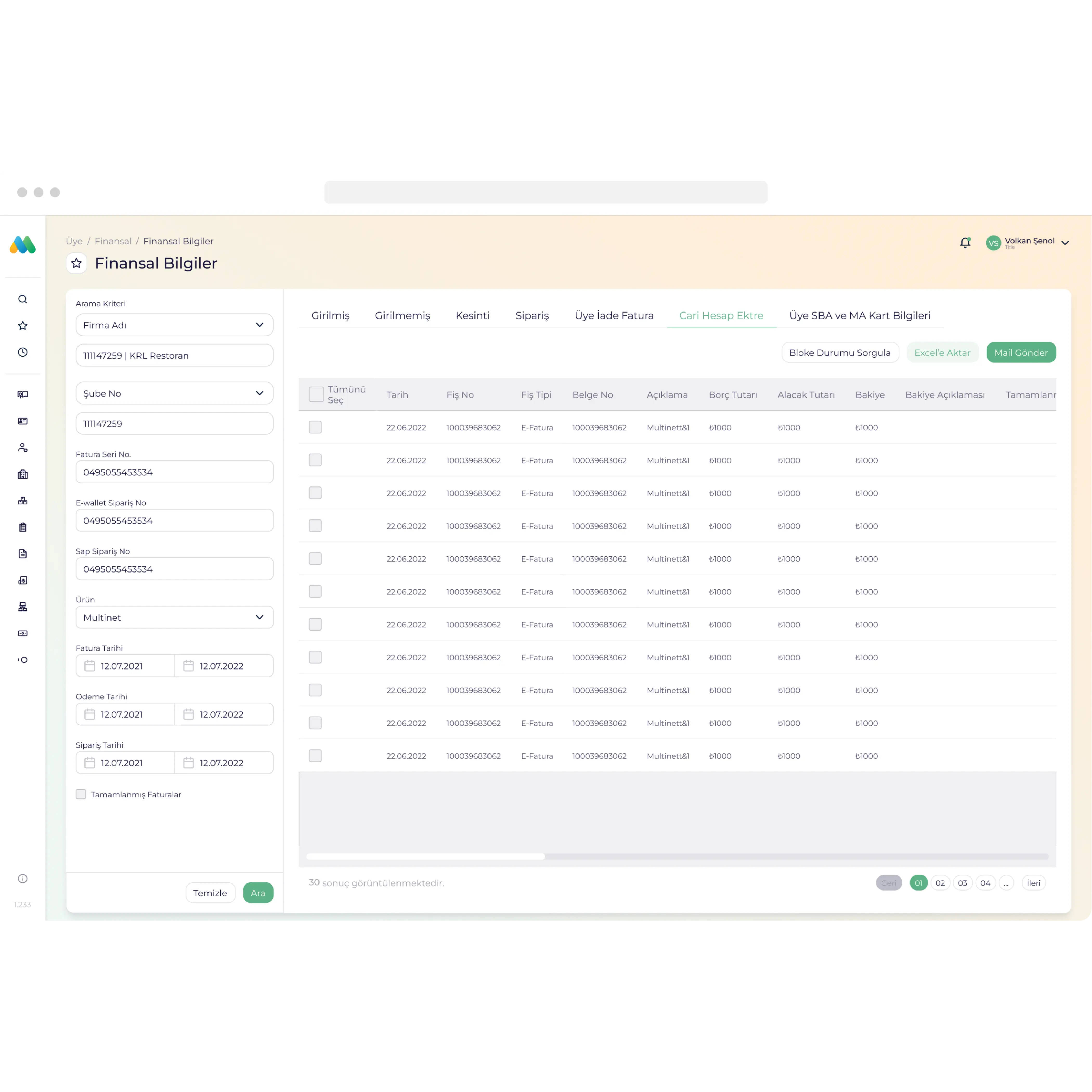
Fizbot is a proptech company serving thousands of real estate agencies across Turkey, Portugal, Romania, and beyond. Their Sales Navigator platform helps real estate consultants track leads, manage follow-ups, and gives office managers clear visibility into team performance. The platform operates in multiple languages and markets.
The Challenge
Fizbot's product had been growing for five years. The frontend had grown with it, but not in a controlled way. The codebase was built on an older React version, lacked a component library, and had accumulated years of inconsistent patterns. Adding new features meant navigating a fragile codebase where changes in one place could break something in another.
Fizbot's internal team had strong backend and product capabilities. Senior frontend engineering was the gap. Hiring a full-time senior frontend developer was outside their immediate plans. They needed a partner who could own the frontend work, run independently, and ship consistently without slowing down the rest of the team.
What We Built
We embedded a senior frontend developer directly into Fizbot's product team for four months, running biweekly Scrum sprints alongside their engineering team.
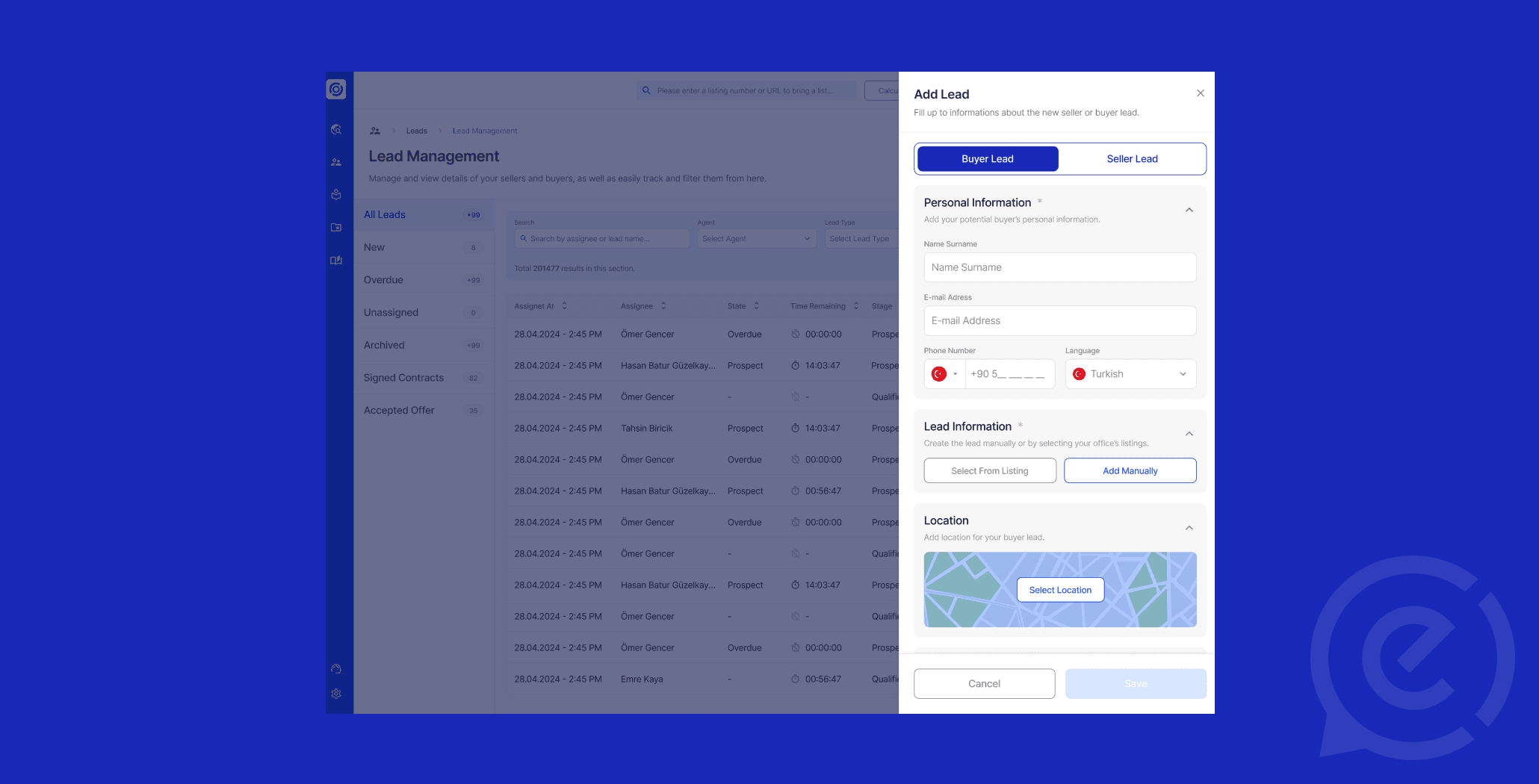
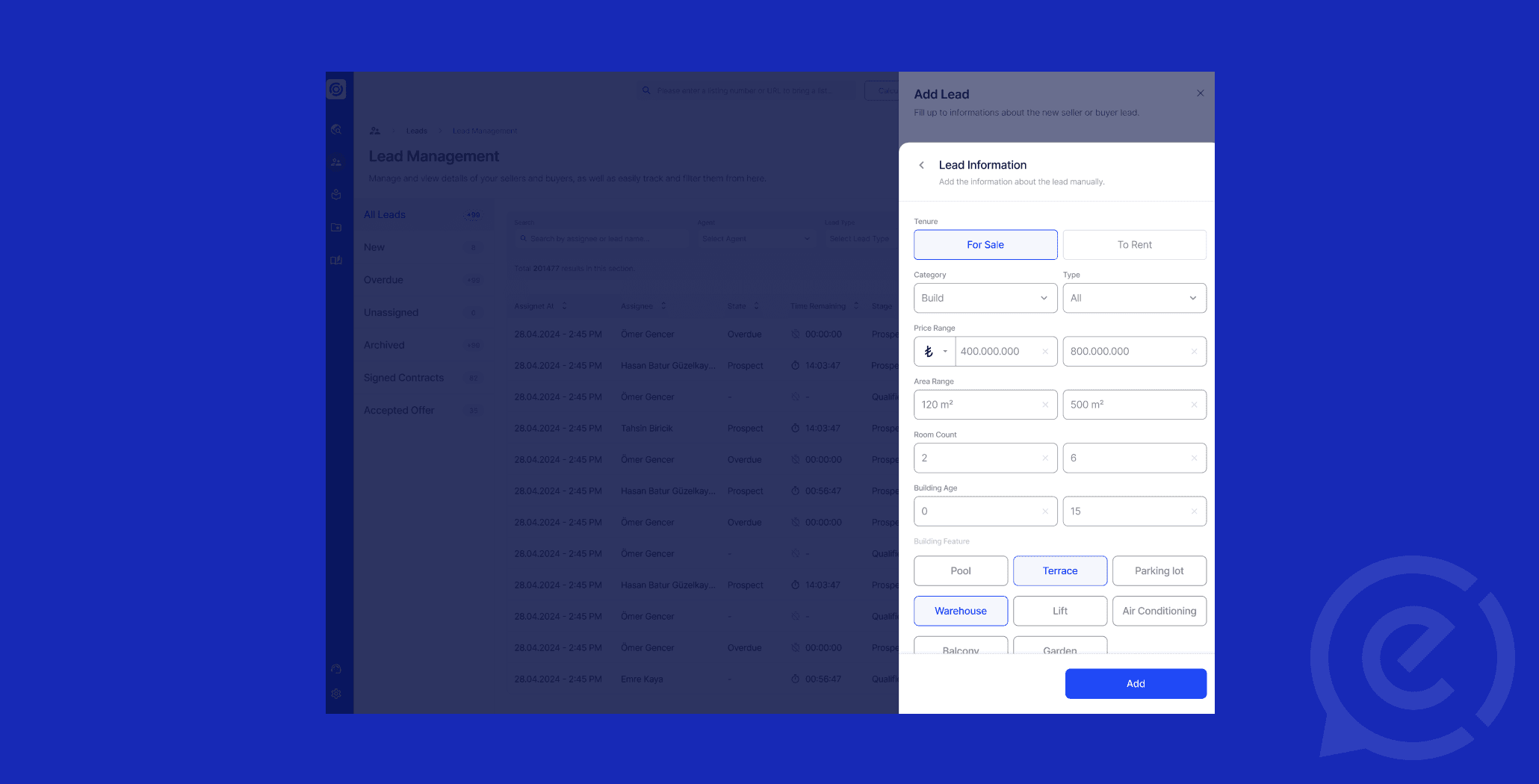
The engagement started with the foundation. We built a component library from scratch, establishing consistent design patterns across the platform. Every UI element, form, table, modal, and navigation component was documented and reusable. This was the prerequisite for everything else: without it, rebuilding the application would have meant rewriting the same things multiple times.
With the component library in place, we migrated the entire frontend from the legacy React codebase to Next.js. Five years of accumulated frontend code, rebuilt and modernised in four months. The new codebase is faster, easier to extend, and built on patterns Fizbot's team can maintain independently.
Throughout the engagement we also handled documentation, bug fixes, and continuous improvements alongside feature development. The scope grew beyond the initial brief because the working model made it easy to expand.
We delivered 95% of planned sprint work on time across the full engagement. Every two weeks, Fizbot's product team knew exactly what was shipping.
The Outcome
Fizbot's frontend now runs on a modern Next.js stack with a shared component library underneath. A platform that had been difficult to extend for years can now be developed at a consistent pace.
The four-month engagement delivered the equivalent of years of accumulated frontend debt cleared, without disrupting the product team's roadmap or requiring Fizbot to hire additional full-time staff.